

Zulferon did not set out to build another AI calling tool. Zulferon built something better: a real-time AI phone agent that can talk naturally, handle interruptions, understand context, and manage the full conversation from greeting to closing like a trained team member.
The platform is designed for real operations, not simple scripted calls. It combines voice AI, NLP, RAG, lead memory, campaign automation, call analytics, and post-call workflows so teams can run outbound and inbound conversations with measurable control.
Behind every call is an intelligence layer that does more than record conversations. It understands what happened, retrieves relevant context, stores useful memory, and turns real call data into better follow-up decisions.
This is not just a voice bot. It is Zulferon's AI Calling System, built for real teams, real operations, and real revenue workflows where one AI should never fit every business.
Zulferon's AI phone agent is built to behave like a real conversation system, not a rigid IVR flow. It listens while the lead speaks, keeps track of intent, handles interruptions, and adapts the next response using business context, lead data, and campaign goals.
The agent can greet the lead, qualify interest, answer questions, collect missing information, detect objections, decide when to continue or close, and prepare the next action automatically after the call ends.
The system uses AI, natural language processing, and retrieval-augmented generation to understand conversations with more depth. Instead of treating every call like a separate event, it connects call history, lead details, campaign information, and relevant business knowledge before producing a response or recommendation.
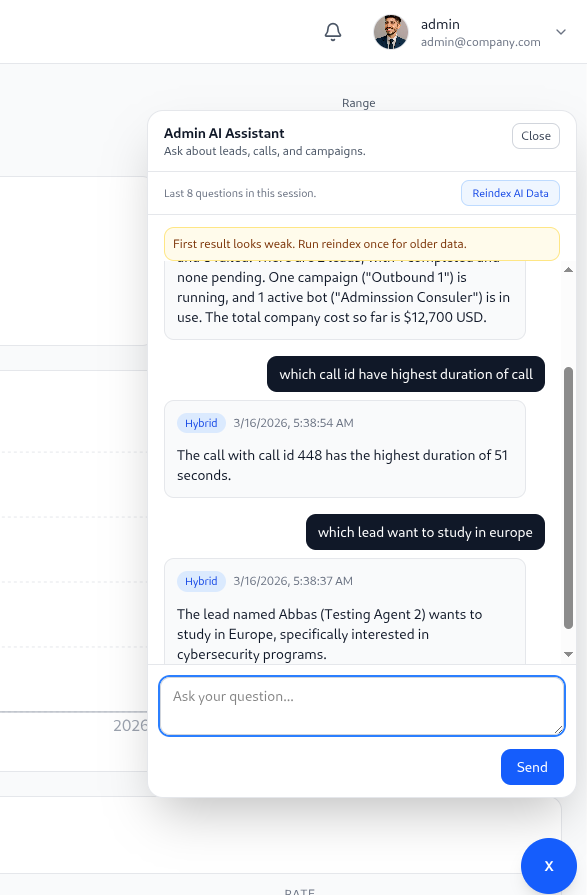
Teams can query calls, leads, and campaigns in natural language. They can ask what objections are appearing, which campaigns are converting, which leads need attention, or what follow-up message should be sent next.
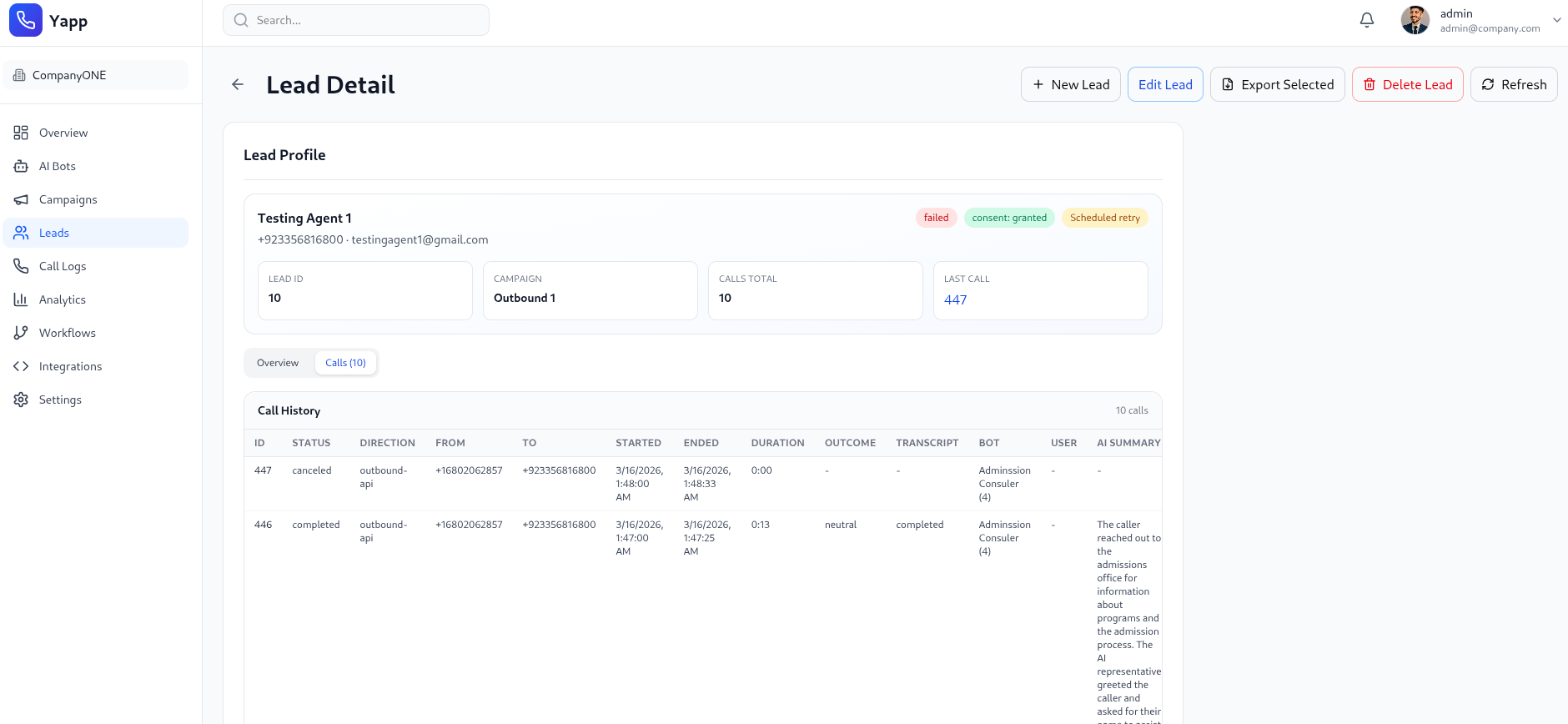
Zulferon remembers lead history, including previous conversations, important notes, call outcomes, and additional custom lead data. During a live call, the AI can use that information to make the conversation feel more personal and relevant.
This allows the bot to avoid repeating the same questions, reference earlier interest, adapt to the lead's context, and continue the relationship instead of starting from zero every time.
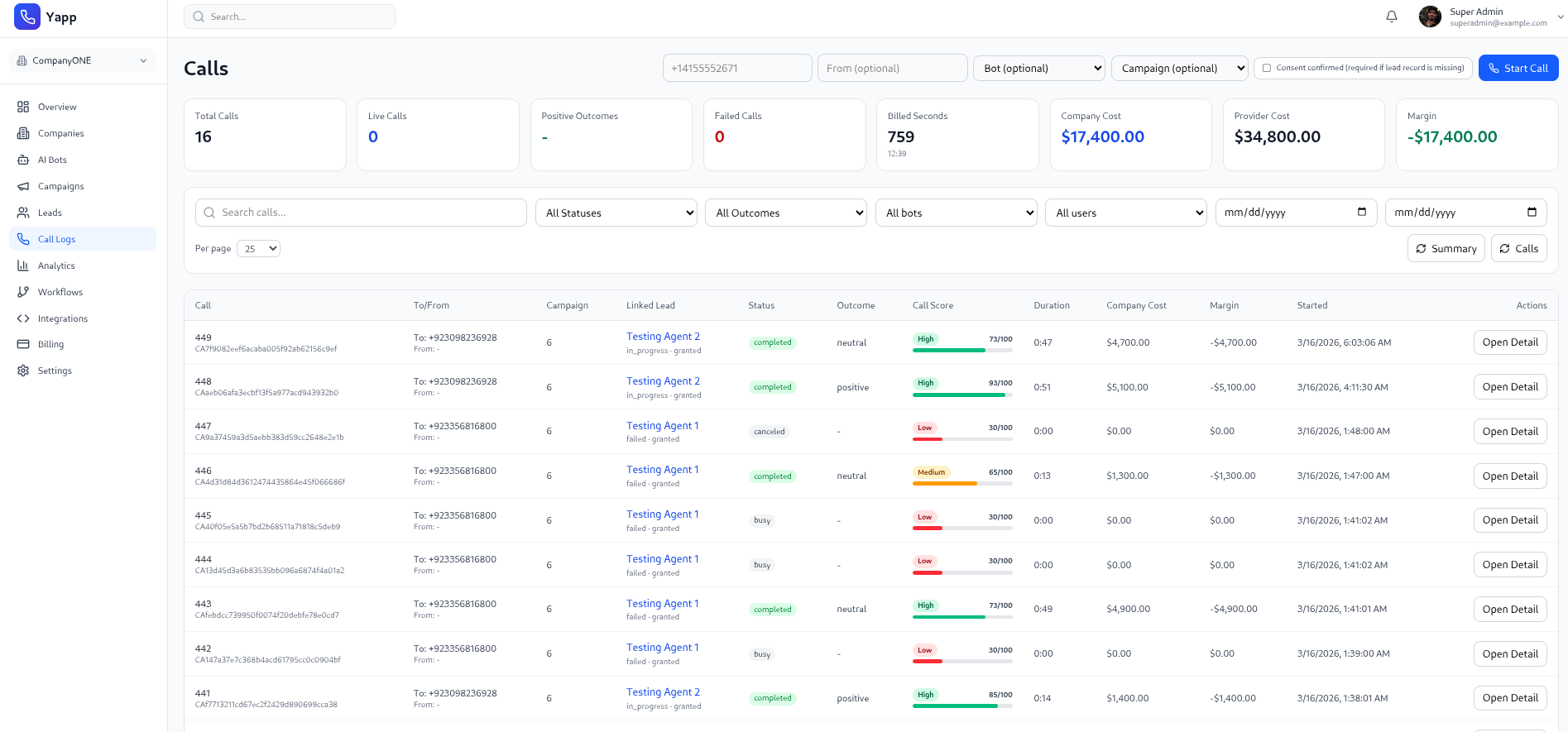
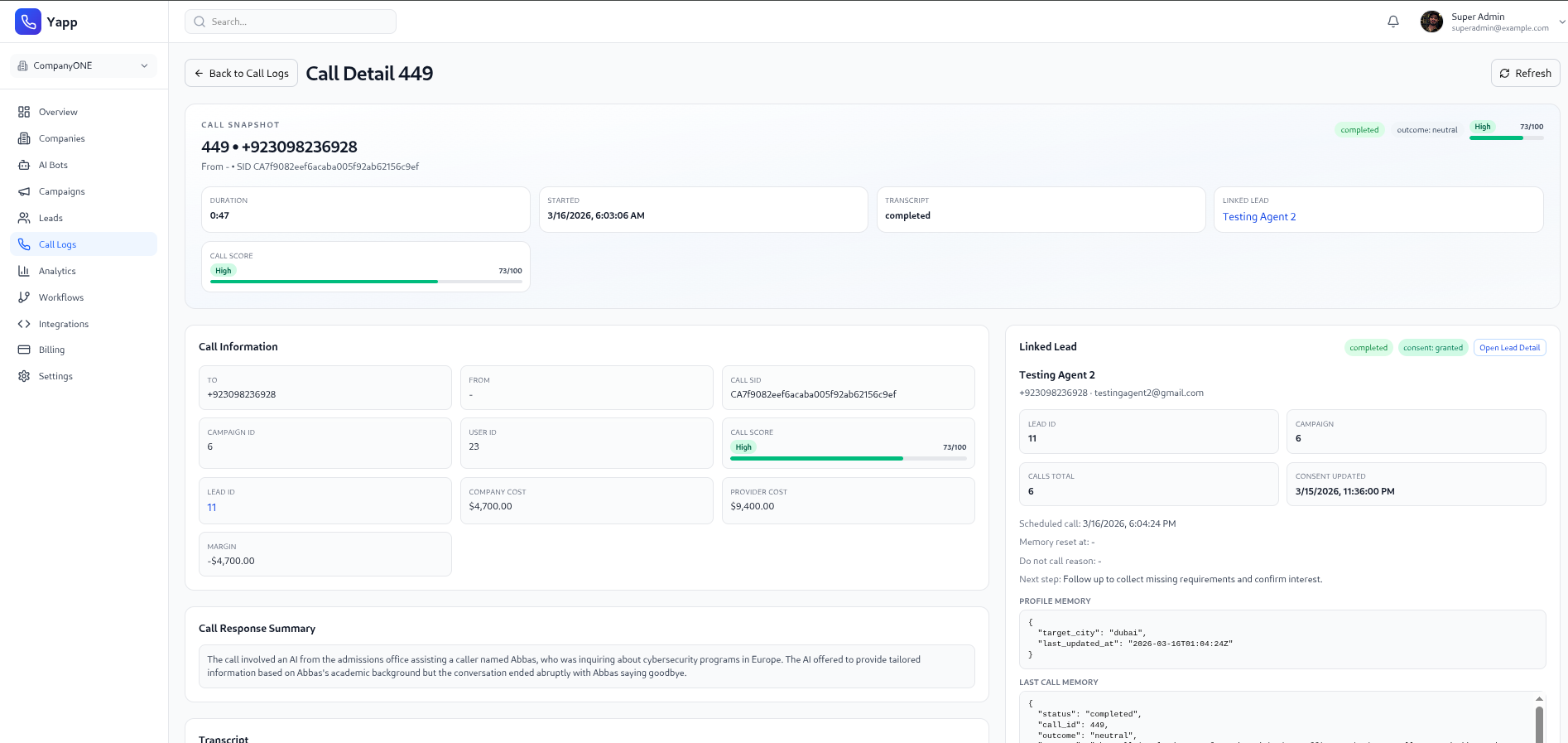
Zulferon also introduced CallScoree, a built-in scoring system that evaluates every call based on performance, sentiment, and key phrases. It helps teams understand call quality beyond basic duration or status labels.
CallScoree can highlight whether the agent followed the right flow, detected buying signals, handled negative sentiment, captured required information, and ended with a clear next step. Managers can use these scores to improve prompts, campaign strategy, training, and conversion performance.
Every part of the platform is designed to give teams more control before, during, and after each call.
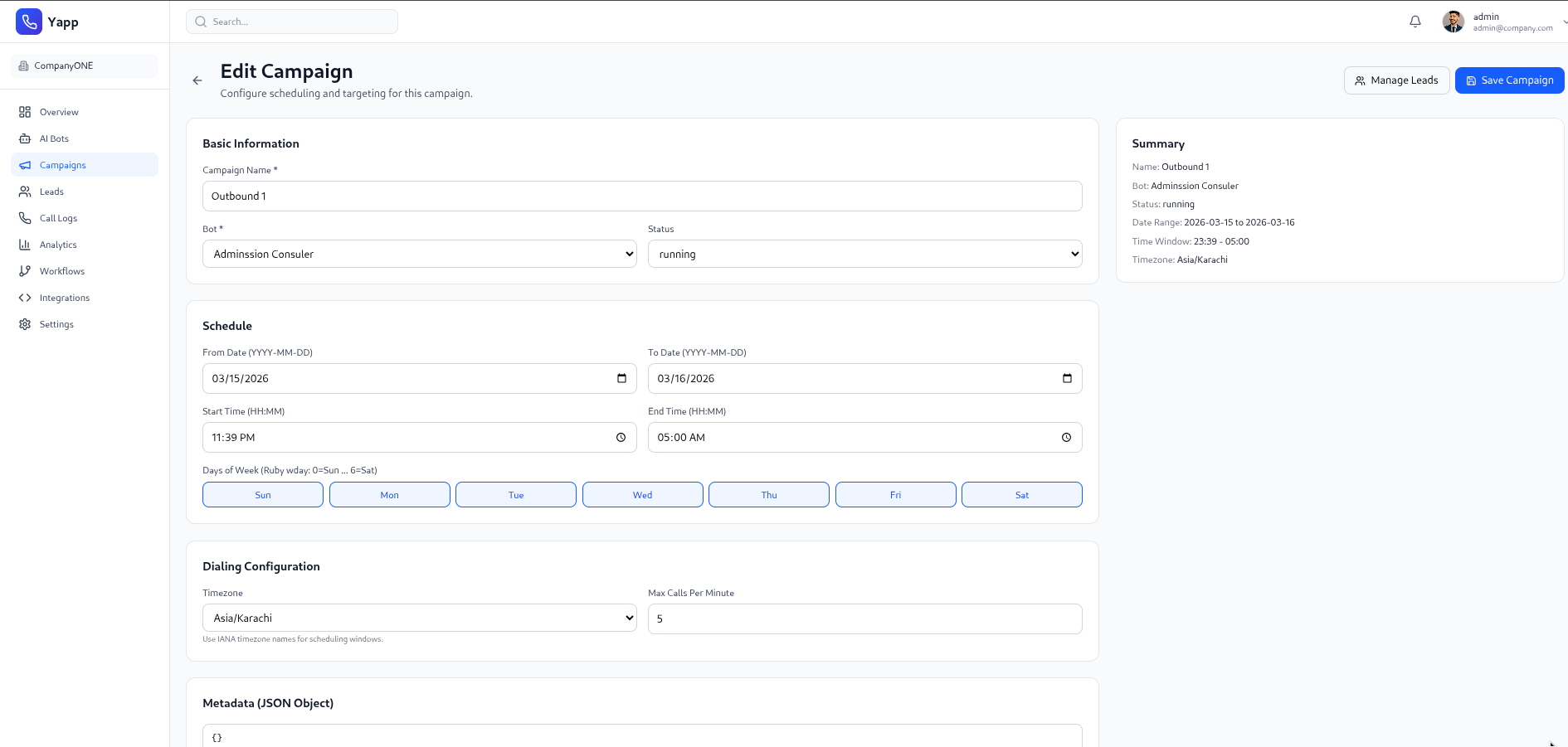
The smart campaign dialer manages outreach pacing, retries, call attempts, lead status changes, and campaign-level KPIs. Sales and operations teams can track how campaigns are performing, where leads are dropping off, and which conversations are creating positive outcomes.
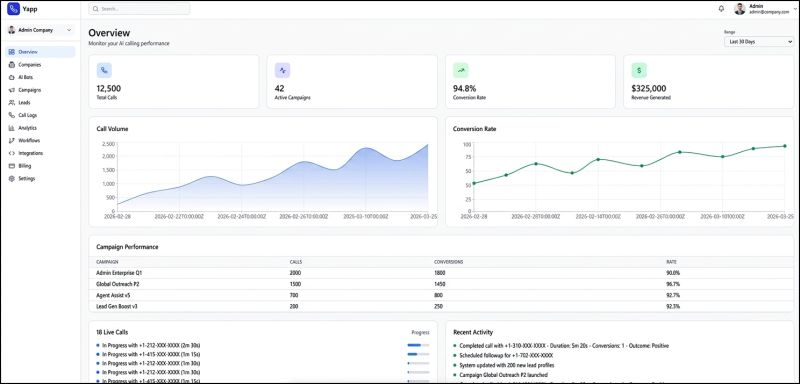
The dashboard gives visibility into positive, negative, interested, and converted outcomes, along with campaign efficiency, call costs, margins, and overall operational health.
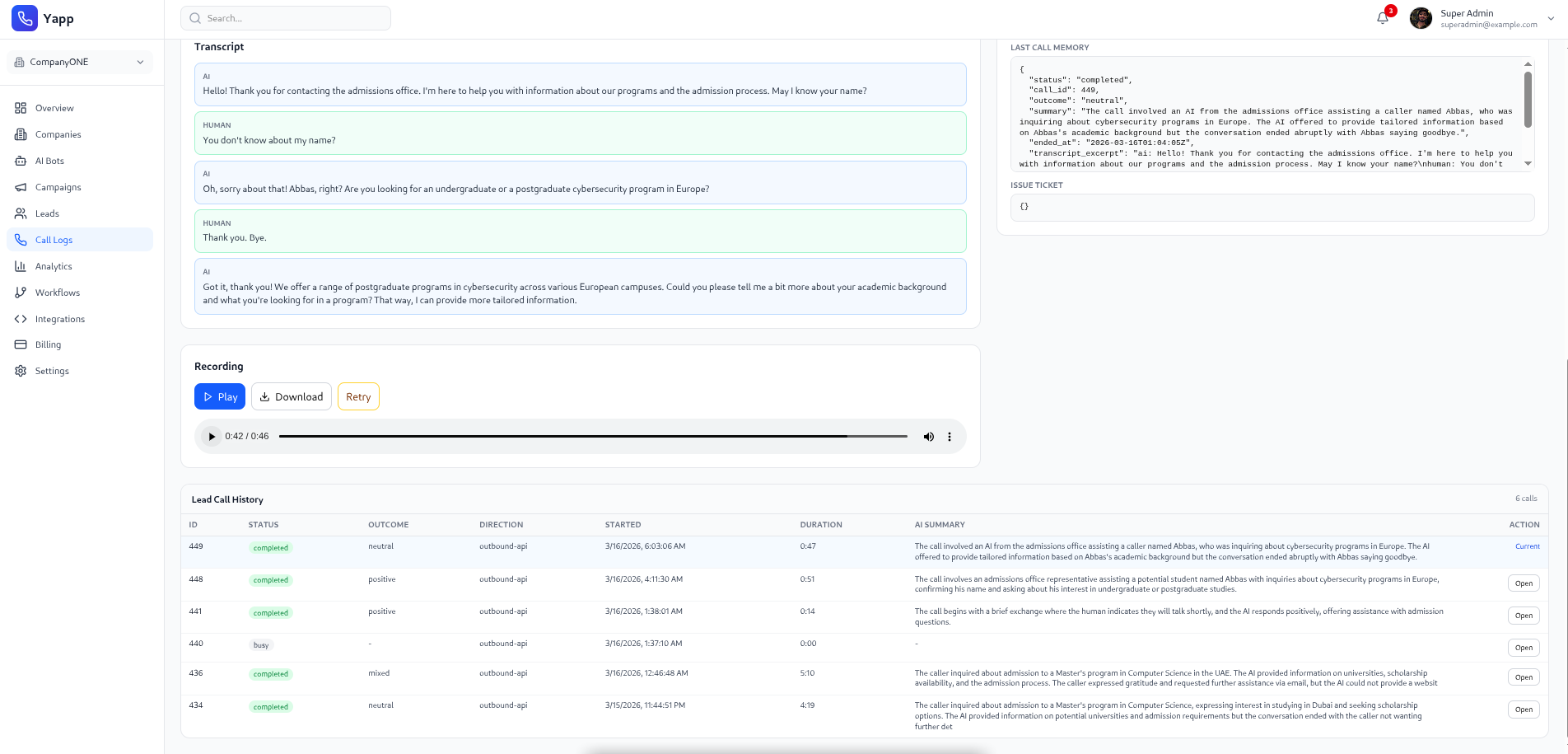
After each call, the system can generate the summary, transcript, audio recording, next steps, lead updates, and workflow triggers automatically. This reduces manual admin work and keeps the CRM cleaner because the system captures what happened while the conversation is still fresh.
Teams can download recordings, review transcripts, compare scores, and use the AI assistant to investigate patterns across thousands of conversations.
The platform is structured around a real-time voice layer, AI orchestration layer, business context retrieval layer, campaign engine, lead memory, analytics, and secure storage for transcripts and recordings.
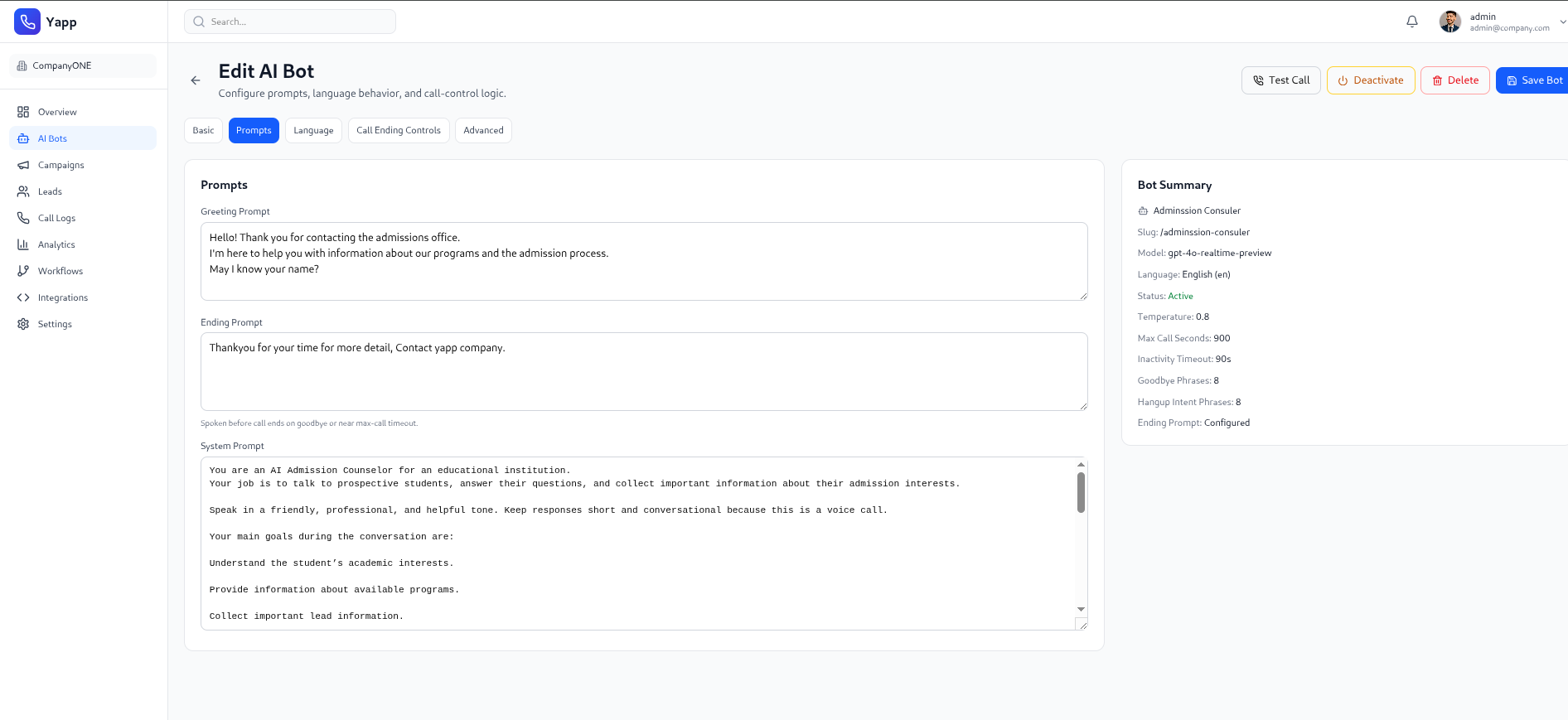
Each bot can be configured independently with prompts, greetings, conversation boundaries, language behavior, campaign rules, scoring criteria, and ending instructions. This lets different businesses use different AI agents without forcing one generic bot across every workflow.